After-school engineering projects
A hands-on engineering programme for middle and high school students, built around real projects with real tools rather than worksheets.
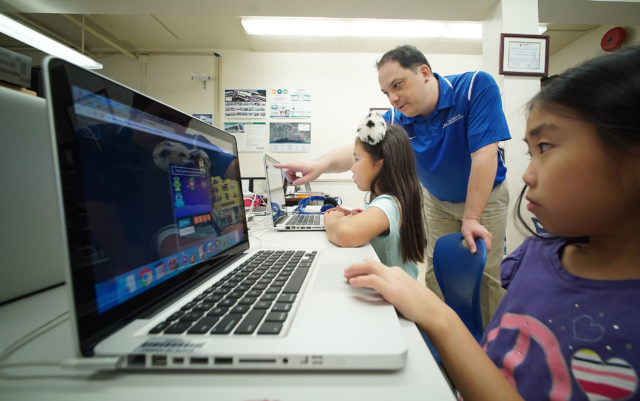
What it is
The programme takes a set of designed engineering projects — mechanisms, structures, powered devices — and runs them as a sequence across an after-school term. Students build things that work, fail, and get rebuilt, which is how engineering is actually learned.
It runs in partnership with local schools and is aimed principally at grades 6–12. If you would like to know whether it is running near you, or to start it at your school, get in touch.
Why it works
It is taught by someone who has done the job. The programme is led by a retired shop and engineering instructor. Decades of practical experience are difficult to substitute with materials, however good.
Projects are the curriculum. Students are not learning about engineering in the abstract and then applying it. The project is the lesson.
It meets students where the equipment is. Projects are designed around tools and materials that schools plausibly have or can obtain, not around a laboratory that only exists in a catalogue.
The administrative problem
Running one workshop is straightforward. Running the same programme across several schools at once is where it becomes difficult:
- Each site has its own schedule, term dates and room availability
- Year groups differ between sites, so the same project needs different framing
- Materials and equipment vary, so project sequences fork
- Enrolment changes week to week
- Handouts and plans exist in several versions across several machines
None of this is teaching. All of it consumes the time that would otherwise go into teaching. This is precisely the problem Smartly-Cloudy was set up to address — see our mission.
How Smartly-Cloudy supports it
An educator account on our shared Course Builder gives the instructor:
- One course folder per programme, on their own computer, holding every lesson, handout and resource
- Lesson plans, student handouts, a student notebook and an LMS upload folder, built and printed from their own machine
- A class tracker per section, without storing any student's name
- Work that never leaves their devices, and keeps working offline
See the Course Builder guide for how it works.
Getting involved
Schools: if you would like to host the programme, get in touch and we will put you in contact with the instructor directly.
Instructors: if you run something similar and the administrative burden sounds familiar, an educator account is free. Ask us for one.
Volunteers: programmes like this are usually short of people who can supervise a workshop safely. Local help is worth more than remote help.